
History of the Oregon Breeders Group
The Oregon Breeders Group is a heritage cannabis breeding effort spanning more than five decades. The timeline below outlines the key historical milestones leading to the release of genetics to the public.
1973 - 1979 Early Breeding and Sinsemilla
The co-founders of the Oregon Breeders Group began working with cannabis in the early 1970s, during a time when Colombian Gold, Acapulco Gold, Panama Red, and Mexican brick weed dominated the market in the Pacific Northwest. Much of what was available had been shipped from long distances, arriving brown, dry, full of seeds and stems, and lacking freshness. Driven by a desire for higher-quality flower, they began breeding with the seeds available and learned to eliminate male plants during the flowering cycle. This early work led to the production of sinsemilla—seedless cannabis—and opened the door to deliberate research, selection, and the development of new cultivars with distinct traits.
1980 - 1997 Quiet Advancement Under Federal Restriction
Research and breeding continued through the following decades, although the Federal Government’s adoption of the Controlled Substances Act (CSA) placed significant limitations on cannabis advancement in the United States. The work shifted into small, private locations, where breeding relied on careful preservation of genetics. Progress slowed, but it did not stop—knowledge, technique, and plant lines were quietly protected and refined during this era.
1998 - 2009 Medical Era and Expansion of Breeding Trials
In the late 1990s, Oregon legalized medical marijuana, which allowed the future co-owners of what would later become the Oregon Breeders Group to expand their work. With greater freedom to grow and test cannabis openly, they increased breeding trials and began developing new breeding-stock cultivars with specific traits intended to serve as building blocks for the next decade of genetic advancement.
2010 - 2014 Formal Organization and Emergence of Sirius Black
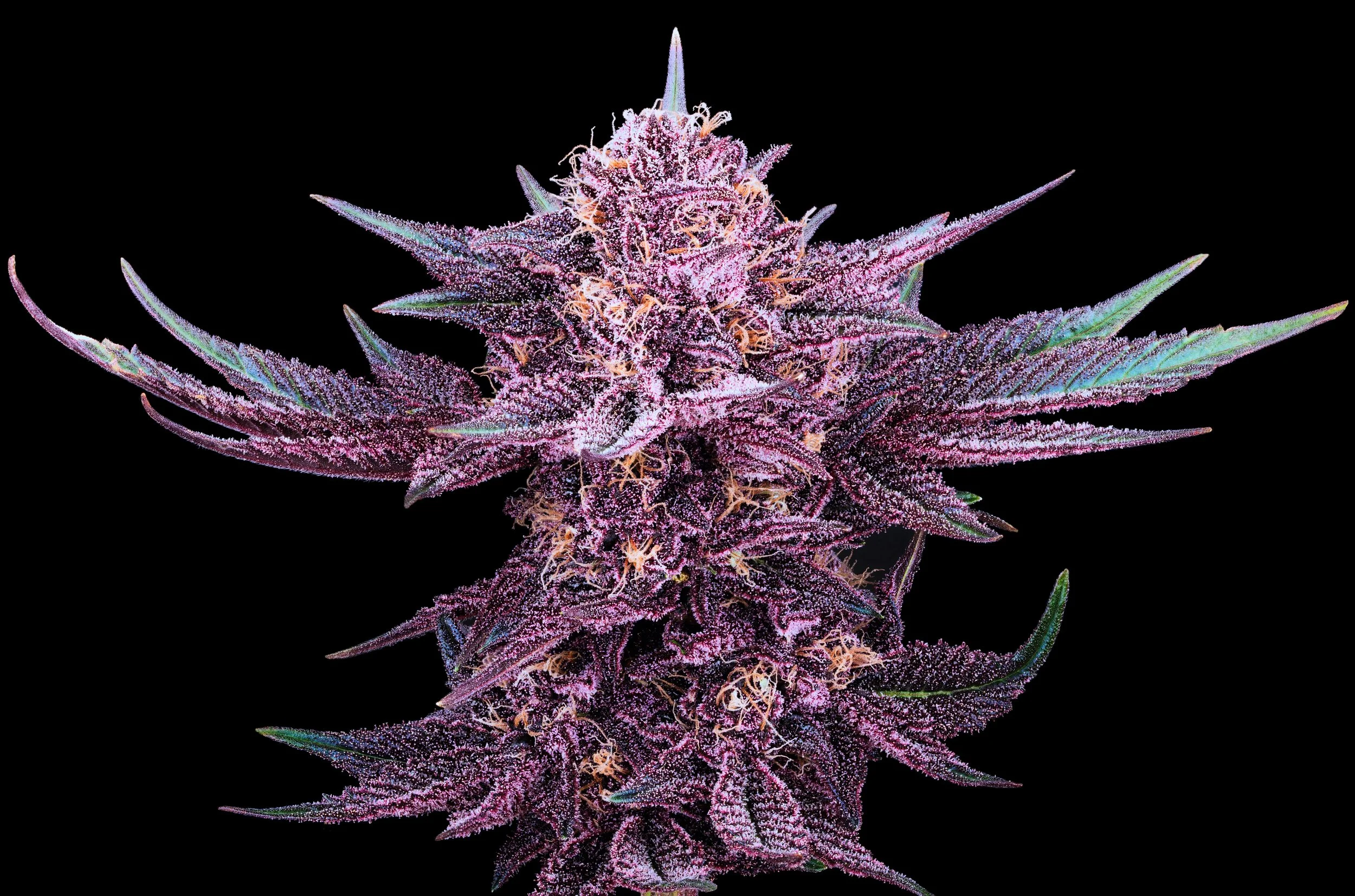
In 2010, the breeders formally organized under the name Oregon Breeders Group, marking the first time their work operated under an official identity. With decades of foundation breeding already behind them, this period led to the emergence of one of their most notable cultivars—Sirius Black. Its distinct coloration, strong performance, and unique profile quickly earned attention within the medical community and among growers, and its early popularity cemented the Oregon Breeders Group as a recognized name in Pacific Northwest cannabis breeding.
2015 - 2024 Dispensaries, Recognition, and Development of BS01
Following the legalization of recreational cannabis sales in Oregon on October 1, 2015, Sirius Black began appearing in licensed recreational dispensaries and was soon featured by several industry publications. Coverage in High Times, Cannabis Now, Dope Magazine, NW Leaf, and online platforms such as Leafly and Weedmaps contributed to increasing recognition of the cultivar, including Leafly’s designation of Sirius Black as “Flower of the Year.” This decade was dedicated to expanding the genetic library and increasing the variety of cultivars available for future breeding.
During this period, the group developed a series of numbered breeding stock lines, including BS01 (Breeding Stock 01) — a Sirius Black cross that retains high anthocyanin expression and deep purple coloration, while introducing distinct and complementary traits intended to strengthen future generations of genetics.
2025 - Present Genetics Go Public
On December 15, 2025, the Oregon Breeders Group formally released their genetics to the public. Their mission is to ensure that adults aged 21 and over have access to high-quality cannabis genetics and to encourage individuals to grow their own plants. The Oregon Breeders Group remains committed to breeding stronger, healthier, and more vibrant cultivars, and to releasing genetics to the public so that the broader community of growers can continue improving the cannabis gene pool.